Medizingeräte-Gehäuse, Chassis, Abdeckungen, Halter und Baugruppen mit sauberer Oberfläche

Edelstahl-Blechbearbeitung
Edelstahl-Blechbearbeitung für OEM-Teile, Gehäuse und sichtbare Baugruppen.
Diese Seite hilft Einkaufsteams in Deutschland, den Niederlanden, Kanada, Australien und den USA, RFQs für Edelstahlteile mit klaren Angaben zu Güte, Oberfläche, Schweißung, Prüfung und Verpackung vorzubereiten.
Edelstahl-Details vor dem Angebot festlegen
Bei Edelstahlteilen entscheiden Materialgüte, sichtbare Flächen, Kornrichtung, Schweißverzug, Kantenqualität und Verpackung oft stärker über die Freigabe als die reine Kontur.
- Güte wie 304 oder 316, Dicke, Zeichnungsrevision, Einsatzumgebung und akzeptierte Materialnormen nennen.
- Sichtflächen, Bürstbild, Kornrichtung, Schutzfolie, Kratzgrenzen und Handhabungszonen markieren.
- Schweißnähte, Ebenheit, Wärmeeinfluss, Passivierung, Schleifbild und Reinigungsanforderungen vor dem Muster klären.
- Einpresshardware, Gewinde, kritische Maße, Prüfpunkte, Labelzonen und Exportverpackung im RFQ-Paket definieren.
RFQ-Entscheidungen für Edelstahlteile
Diese Punkte helfen beim Vergleich von Angeboten für Edelstahlgehäuse, Halter, Chassis, Abdeckungen und wiederkehrende OEM-Blechbaugruppen.
| Entscheidung | Risiko | RFQ-Detail |
|---|---|---|
| Materialgüte | Eine falsche Güte kann Korrosions-, Reinigungs- oder Kostenanforderungen verfehlen. | 304, 316 oder andere Güte, Dicke, Norm, Einsatzumgebung und akzeptierte Alternativen angeben. |
| Sichtfläche und Finish | Kornrichtungswechsel, Kratzer oder Schleifspuren können Musterfreigaben verzögern. | Sichtseiten, gebürstetes Finish, Kornrichtung, Schutzfolie, Kratzgrenze und Referenzmuster definieren. |
| Biegen und Ebenheit | Edelstahl kann beim Biegen und Schweißen stärker zurückfedern oder sich verziehen. | Biegeradien, Bezugskanten, Ebenheit, kritische Passungen und Montageflächen kennzeichnen. |
| Schweißen und Reinigung | Wärmeverfärbung, Verzug und aggressive Reinigung können Oberfläche oder Passung verändern. | Schweißart, sichtbare Nähte, Reinigungsgrad, Passivierung, Schleifgrenzen und Abnahmekriterien nennen. |
| Hardware und Montage | Einpressmuttern, Bolzen und Gewinde können mit Biegungen, Schweißnähten oder Sichtflächen kollidieren. | BOM, Hardwareseite, Drehmoment, Gewindeschutz, Messpunkte und Montagepartner bereitstellen. |
| Verpackung und Wiederholung | Fertige Edelstahlflächen können beim Transport oder beim Lieferantenwechsel beschädigt werden. | Zwischenlagen, Folie, Kantenschutz, Palettenregeln, Labeldaten und genehmigte Musterfotos festhalten. |
Geeignete Projektarten
Die Seite ist für Käufer gedacht, die Edelstahlteile nach Zeichnung als exportfähige Serien- oder Pilotbaugruppen beschaffen.
OEM-Metallgehäuse, Bediengehäuse, Abdeckungen und technische Geräteverkleidungen aus 304 oder 316
Schaltschränke, Steuerboxen, Zugangstüren, Montageplatten und sichtbare Edelstahlpaneele
Geschweißte Edelstahlrahmen, Halter, Schutzabdeckungen und kleine bis mittlere Blechbaugruppen
Gebürstete Sichtteile mit Schutzfolie, sauberen Kanten und wiederholbarer Verpackung
Lieferantenwechsel, Pilotserien und wiederkehrende Einkaufsprogramme mit Zeichnungsrevisionen
Bildpfade für Edelstahl-RFQs
Nutzen Sie diese Bildpfade, um Edelstahlgüte und Finish mit Gehäuseprodukten, sauberen Gerätegehäusen, geschweißten Baugruppen und geschützter Exportverpackung zu verbinden.
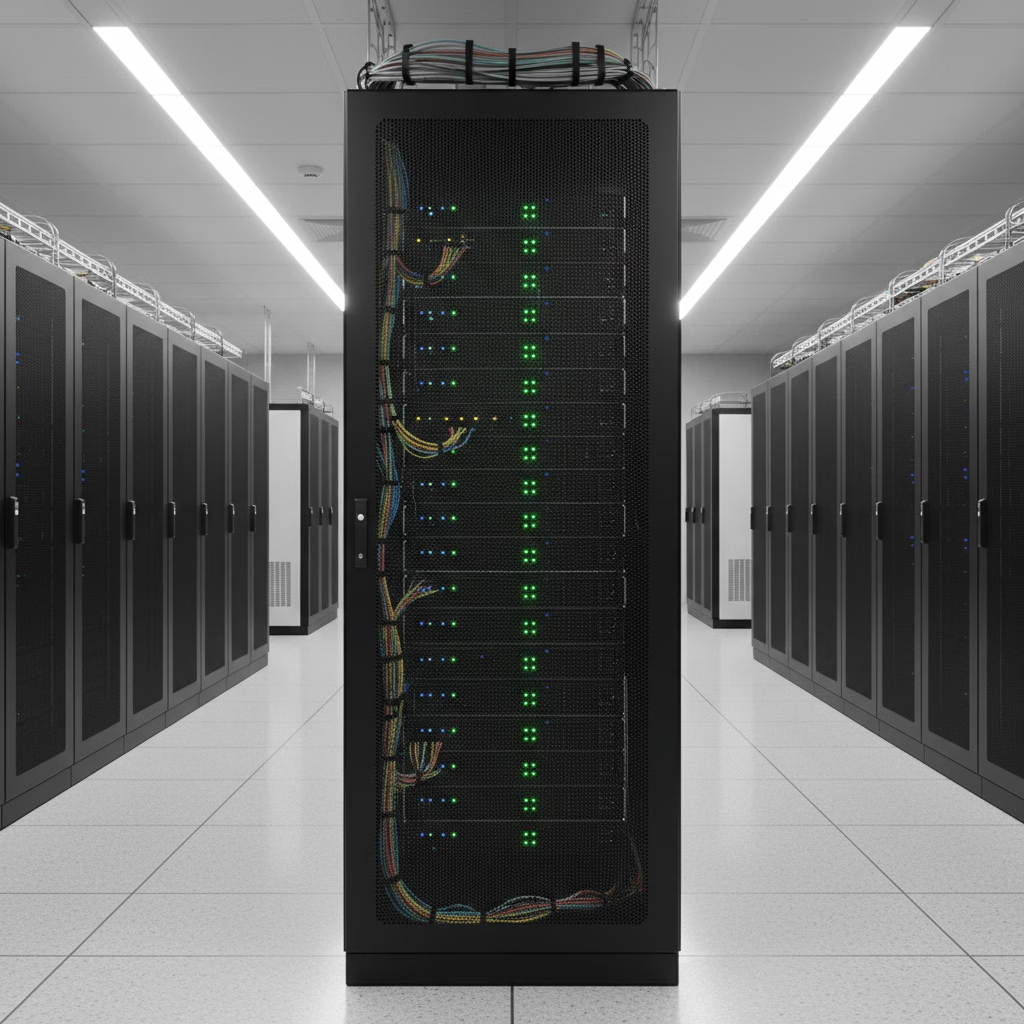
Edelstahlgehäuse
Schranktüren, Abdeckungen, Montageplatten, Dichtflächen, sichtbare Kornrichtung, Hardwarepositionen und Schutzfolie.

Saubere Gerätegehäuse
Sichtbare Edelstahlabdeckungen, kleine Öffnungen, Gratgrenzen, gereinigte Schweißbereiche, geschützte Flächen und Prüfhinweise.
Geschweißte Baugruppen
Nahtlage, Anlauffarben-Grenzen, Verzugssteuerung, Reinigungsgrad, Passivierung, Bezugsflächen und Musterfotos.

Schutzverpackung
Folie, Zwischenlagen, Kantenschutz, Kartongrenzen, Palettenlayout, Labels und wiederholbare Verpackungsbasis für Sichtteile.
Prüfung und Freigabe
Ein klarer Prüfplan reduziert Diskussionen über Oberfläche, Passung, Schweißbild und Wiederholqualität.
Maß- und Passprüfung
Kritische Maße, Bezugskanten, Montageflächen, Ebenheit, Lochpositionen, Gewinde und Hardwarepositionen prüfen.
Oberflächenprüfung
Sichtflächen, Kratzer, Kornrichtung, Schweißreinigung, Passivierung, Schutzfolie und Verpackungsabstand prüfen.
Wiederholfreigabe
Freigegebene Musterfotos, Zeichnungsrevision, Finish-Notizen, Prüfpunkte, Verpackungsmethode und Labeldaten dokumentieren.
Was in ein Edelstahl-RFQ gehört
Ein vollständiges RFQ-Paket beschleunigt DFM-Prüfung, Preisfindung, Musterbau und wiederkehrende Lieferung.
- 2D-Zeichnungen, STEP- oder STP-Dateien, aktive Revision und Baugruppenbezug.
- Edelstahlgüte, Dicke, Finish, Sichtflächen, Kornrichtung, Schutzfolie und Reinigungsanforderungen.
- Schweiß-, Biege-, Hardware-, Gewinde-, Label-, Prüf- und Montagehinweise.
- Zielmenge, Jahresbedarf, Musterbedarf, Zielland, Verpackungsmethode und gewünschter Lieferplan.
RFQ mit Produktkontext starten
Wenn Material und Anwendung bereits grob klar sind, wählen Sie einen Produktpfad oder starten Sie direkt das vorausgefüllte RFQ.
Medizingeräte-Gehäuse
Saubere Edelstahl- oder beschichtete Gehäuse, Chassis, Halter und Abdeckungen nach Zeichnung.
OEM-Metallgehäuse
Produktbezogene Metallgehäuse mit Material-, Finish-, Hardware- und Montageanforderungen.
Kundenspezifische Elektrogehäuse
Steuerboxen, Schaltschränke, Montageplatten, Türen, Erdung und Kabelzugänge.
Direkter RFQ-Pfad
Mit vorausgewähltem Produktkontext starten und Zeichnungen, Material, Finish, Menge und Zielland ergänzen.
Verwandte Seiten für Edelstahlbeschaffung
Diese Seiten verbinden Materialentscheidungen mit Produktfamilien, Anwendungen und dem RFQ-Prozess.
Edelstahlgehäuse
Gehäuse, Abdeckungen, Türen, Dichtflächen, Hardware und Verpackung für fertige Baugruppen.
Medizingeräte-Gehäuse
Saubere Edelstahl- oder beschichtete Gehäuse, Chassis, Halter und Abdeckungen nach Zeichnung.
OEM-Metallgehäuse
Produktbezogene Metallgehäuse mit Material-, Finish-, Hardware- und Montageanforderungen.
Kundenspezifische Elektrogehäuse
Steuerboxen, Schaltschränke, Montageplatten, Türen, Erdung und Kabelzugänge.
Medizinische Blechkomponenten
Anwendungskontext für Edelstahlteile in Geräten, Haltern und Gehäusen.
OEM-RFQ starten
Direkter RFQ-Pfad mit vorausgewähltem OEM-Gehäuse-Kontext.
FAQ zur Edelstahl-Blechbearbeitung
Was sollte ein Edelstahl-Blech-RFQ enthalten?
Senden Sie 2D-Zeichnungen, 3D-Dateien falls vorhanden, Güte, Dicke, Sichtflächen, Finish, Schweißhinweise, Hardware, kritische Maße, Zielmenge, Zielland und Verpackungserwartung.
Wann ist 316 statt 304 sinnvoll?
316 wird häufig gewählt, wenn stärkere Korrosionsbelastung erwartet wird. Die endgültige Güte sollte zur Anwendung, Reinigungsumgebung, Finish-Anforderung und zum Käuferstandard passen.
Welche Details beeinflussen die Musterfreigabe?
Kornrichtung, Kratzgrenzen, Biegeradien, Ebenheit, Schweißreinigung, Passivierung, Hardwarepositionen, Schutzfolie und Verpackung bestimmen häufig die Freigabe.
Zeichnungen für Edelstahlteile senden
Senden Sie Zeichnungen, Materialgüte, Finish, kritische Maße, Zielmenge und Zielland. Wir prüfen den Fertigungsweg und die RFQ-Daten.
