Rack panels, chassis covers, front plates, rear panels, and removable access covers
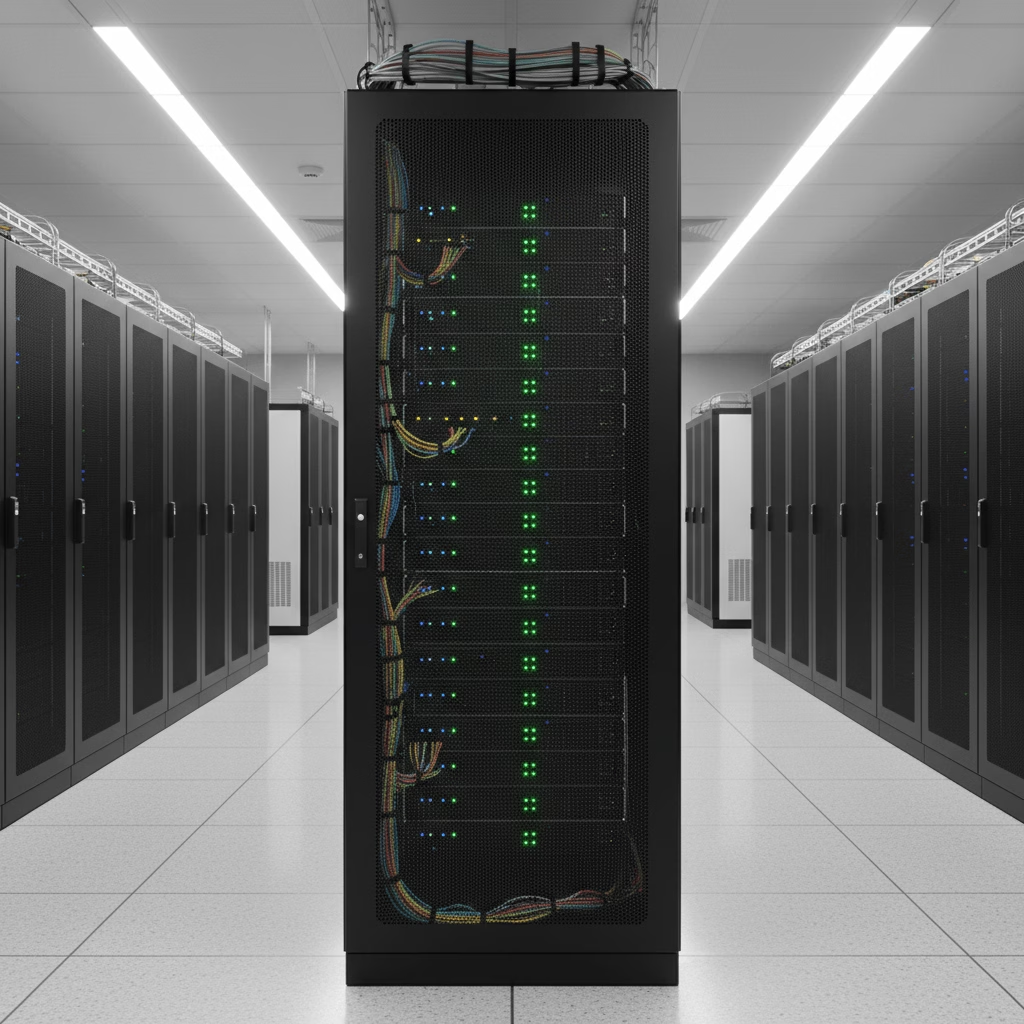
Telecom and data system enclosures
Telecom and data system enclosures for OEM equipment buyers.
Black Iron Metal manufactures custom rack panels, chassis parts, vented covers, cabinets, cable-entry plates, brackets, rails, and equipment housings for telecom and data system projects that need practical DFM review and repeatable assembly fit.
Built around rack, chassis, ventilation, and cable-routing details
Telecom and data equipment sheet metal often combines rack interfaces, flat panels, vent patterns, grounding points, powder coated surfaces, cable-entry plates, and internal mounting hardware. A clear RFQ helps reduce assembly risk before sampling.
- Define the rack, cabinet, chassis, or equipment interface that controls hole spacing and datum edges.
- Mark ventilation openings, louvers, perforations, cable entries, handles, hinges, latches, and grounding points.
- Separate aluminum, stainless, galvanized, and powder coated steel parts so finish and masking rules are clear.
- Specify packing, surface protection, labels, carton limits, and destination requirements for repeat shipments.
Telecom enclosure RFQ decisions
Use the RFQ to make interface, ventilation, hardware, finish, and packing requirements explicit before comparing suppliers.
| Decision area | Buyer risk | RFQ detail to include |
|---|---|---|
| Rack and chassis fit | Small errors in hole spacing, flatness, or datum references can block installation. | Provide rack standard notes, active revision drawings, critical holes, slots, datum edges, and mating parts. |
| Ventilation pattern | Louvers, perforations, and cutouts can distort panels or affect finish appearance. | Specify vent geometry, open areas, cosmetic faces, burr direction, and inspection expectations. |
| Cable and hardware points | Cable openings, PEM nuts, studs, hinges, handles, and latch locations affect final assembly. | Mark hardware type, installation sequence, grounding points, cable-entry positions, and protected surfaces. |
| Material and finish | Aluminum, galvanized sheet, stainless, and powder coated steel behave differently during cutting, bending, and packing. | State material grade, thickness, coating color, texture, masking areas, visible faces, and corrosion expectations. |
| Export packing | Finished panels and cabinet parts can scratch, bend, or rub during shipment. | Define separators, foam, carton strength, pallet layout, part labels, and spare-part identification. |
Typical telecom and data system parts
These examples help procurement teams match drawings to the right fabrication route and inspection plan.
Vented panels, louvered covers, perforated guards, cable-entry plates, and gland plates
Telecom cabinets, network equipment housings, support rails, trays, and internal mounting plates
Aluminum brackets, powder coated steel covers, stainless supports, and galvanized sheet metal parts
Repeat production components with hardware, labels, packing rules, and inspection baselines
Inspection priorities for telecom equipment sheet metal
Inspection should confirm the part can assemble into racks, cabinets, and equipment frames while preserving visible finish and packing quality.
Interface accuracy
Check rack holes, slots, datum edges, PEM hardware, hinge fit, latch alignment, cable openings, and mating part clearance.
Panel condition
Review flatness, bend angles, vent edges, burr direction, coating appearance, visible surfaces, masking points, and grounding areas.
Packing control
Confirm part labels, carton fit, separators, foam, pallet layout, corner protection, and handling notes before export shipment.
What to send for a faster quote
A complete RFQ helps engineering review the enclosure route, material behavior, ventilation geometry, hardware, finish, and packing before pricing.
- 2D drawings, 3D files, active revision, rack or cabinet interface notes, and critical-to-fit dimensions.
- Material grade, thickness, finish, color code, masking areas, visible faces, and grounding requirements.
- Ventilation, cable-entry, hardware, hinge, latch, handle, PEM nut, stud, and label requirements.
- Quantity, annual demand, spare-part rules, packing method, carton labels, and destination country.
Related sourcing pages
Use these pages to connect telecom enclosure requirements with material, process, and repeat-order decisions.
Industrial metal enclosure guide
Review enclosure material, ventilation, bends, welding, finish, hardware, and packing decisions.
Industrial control cabinets
Review cabinet doors, mounting plates, gland plates, vents, coating, hardware, and assembly fit.
Aluminum sheet metal parts
Review alloy, temper, bend radius, surface protection, inserts, and lightweight assembly risks.
Powder coated enclosures
Review coating color, texture, masking, hardware sequence, inspection, and packing requirements.
CNC bending service
Review bend radius, flange height, hole-to-bend distance, and formed-part inspection details.
Custom metal parts
Review custom part sourcing, NDA handling, supplier transfer, DFM review, and export packing.
Telecom and data system enclosure FAQ
What should a telecom enclosure RFQ include?
Include drawings, 3D files if available, material grade, thickness, rack or cabinet interface dimensions, ventilation details, cable-entry locations, finish, hardware, quantity, destination, and packing requirements.
Which sheet metal details affect telecom and data system assembly?
Assembly fit is affected by rack hole spacing, datum edges, flatness, bends, louvers, cable openings, PEM hardware, grounding points, hinge and latch locations, coating buildup, and packaging protection.
Can aluminum and powder coated steel be quoted in the same project?
Yes. Buyers should separate aluminum, stainless, galvanized, and powder coated steel parts in the RFQ so material behavior, finish expectations, masking, inspection, and packing can be reviewed correctly.
Product RFQ paths for this application
Use these product pages when the industry RFQ needs a clearer enclosure, cabinet, control box, or OEM housing context.
Custom Electrical Enclosures
Review doors, mounting plates, cable-entry zones, grounding points, hardware, finish, and packing.
Medical Device Enclosures
Route clean equipment covers and chassis parts into visible-surface, fit, label, and packing review.
EV Charger Cabinets
Focus the RFQ on charger cabinets, access doors, vents, cable areas, coating, hardware, and repeat builds.
Industrial Control Box Fabrication
Review operator boxes, mounting panels, hole patterns, enclosure hardware, labels, and inspection needs.
OEM Metal Housing
Connect housing shape, material, finish, revision, assembly fit, labels, and export packing in one RFQ path.
Ready to quote telecom or data system enclosures?
Send drawings, material, quantity, rack or cabinet notes, finish requirements, hardware details, and destination. We will review the manufacturing route and RFQ details.
