Prototype or early design
Mark open design questions, expected changes, target function, sample quantity, and the DFM feedback needed before the next revision.

Buyer RFQ guide
Use this checklist to prepare the drawings, material, finish, inspection, application, and packing details that make a fabrication quote faster and more reliable.
Quotation quality depends on whether engineering, purchasing, and the supplier are reviewing the same revision and the same assumptions.
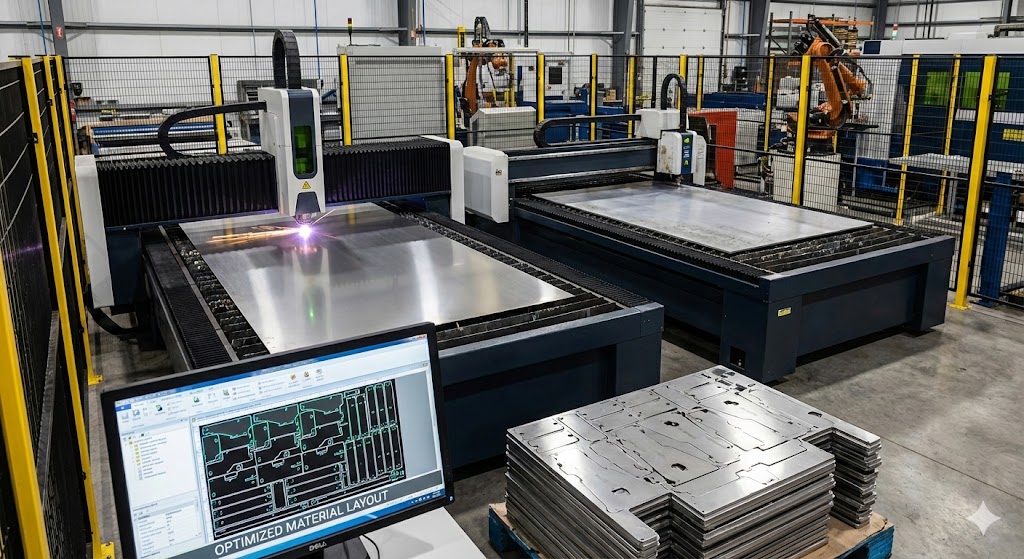
These inputs help separate normal fabrication work from details that affect risk, inspection, or export readiness.
| RFQ area | What to define | Why it affects quotation |
|---|---|---|
| Part identity | Part number, active revision, drawing date, units, and sample status. | Prevents obsolete drawings, duplicate versions, and unclear acceptance baselines. |
| Material | Grade, thickness, temper when relevant, substitute rules, and visible surface side. | Changes cutting, bending, welding, finish planning, availability, and cost. |
| Process scope | Laser cutting, CNC bending, welding, hardware, assembly, finishing, and packing steps. | Clarifies whether the quote is for a blank, a formed part, or a finished assembly. |
| Critical features | Datum points, hole positions, mating edges, flatness needs, bend angles, and fit checks. | Guides inspection effort and identifies features that may need process control. |
| Finish | Color code, gloss, texture, masking, burr limits, weld cleanup, and protected faces. | Finish requirements often drive handling, sequence, inspection, and packing choices. |
| Commercial plan | Prototype quantity, pilot quantity, annual demand, target schedule, and destination country. | Helps choose the quoting route and separate sample assumptions from repeat production needs. |
| Packing | Carton limits, pallet rules, labels, part separation, surface protection, and shipment mode. | Protects visible parts and helps avoid export packing changes after production. |
A prototype, supplier transfer, and repeat production order should not be quoted from the same assumptions.
Mark open design questions, expected changes, target function, sample quantity, and the DFM feedback needed before the next revision.
Define inspection priorities, visible surfaces, assembly fit, finish acceptance, packing trial needs, and sample approval criteria.
Share approved sample notes, current supplier issues, inspection history, active revision, annual demand, and existing packing method.
These missing details often create follow-up emails before a supplier can quote responsibly.
Terms like steel, stainless, or aluminum are too broad. Add grade, thickness, and any acceptable alternatives.
For visible parts, define color, texture, gloss, burr limit, cosmetic face, masking, and handling expectations.
Mark critical dimensions, holes, mating edges, hardware positions, flatness, and assembly checks.
Explain where the part is installed, whether it is visible, and whether it has weather, vibration, heat, or fit constraints.
Separate prototype quantity from pilot quantity and annual demand so pricing assumptions are clear.
Large panels, coated parts, and export assemblies need part separation, label, carton, and pallet expectations.
Choose a more specific page when your quote depends on a process, material, or application requirement.
Cutting, bending, welding, hardware, finishing, inspection, assembly, and export packing.
DXF or DWG profiles, cut edges, critical holes, flatness, burr direction, and downstream forming.
Bend radius, flange length, hole-to-bend distance, cosmetic side, and forming inspection.
Weld location, fixture fit, distortion control, visible weld appearance, cleanup, and packing.
Substrate, color, texture, masking, hardware sequence, coated-face inspection, and export packing.
Hardware, labels, subassemblies, kit contents, fit checks, carton limits, and export packing.
OEM supplier transfer, confidentiality needs, revision control, repeat orders, and quality history.
Critical dimensions, visible surfaces, welds, coatings, hardware fit, assembly checks, and export packing.
Send 2D drawings, STEP or STP files when available, DXF or DWG files for flat profiles, active revision details, material, thickness, finish, quantity, inspection priorities, packing rules, and destination country.
Yes. Mark the design as preliminary, explain which dimensions or features may change, and identify the decisions that need manufacturability feedback before sampling.
Application context helps the supplier identify visible surfaces, mating features, load or fit risks, hardware sequence, outdoor exposure, label areas, and packing requirements before quotation.
Send a work email first. Drawings, material, quantity, finish, inspection points, packing notes, and destination country can follow after sales replies.
