Bastidores de equipo
Soportes soldados, marcos de protección, bases de máquina, refuerzos y soportes con revisión de escuadra y ajuste.

Soldadura de chapa
Black Iron Metal apoya proyectos de chapa soldada con revisión de ubicación de soldadura, apariencia, distorsión, fixture, acabado posterior, inspección y embalaje de exportación antes de cotizar.
Use este servicio cuando varias piezas cortadas y dobladas deben formar un soporte, bastidor, gabinete, carcasa, protección o módulo de equipo estable.

Estos datos ayudan a comparar manufacturabilidad, calidad visible, ajuste de montaje y control de producción repetida.
| Decisión | Riesgo para el comprador | Detalle recomendado en RFQ |
|---|---|---|
| Ubicación y longitud | Un alcance de soldadura poco claro cambia resistencia, distorsión, trabajo de acabado y precio. | Marcar ubicaciones, tipo si está definido, soldadura continua o intermitente y costuras ocultas o visibles. |
| Ajuste de montaje | La distorsión térmica puede mover agujeros, rieles, puertas, soportes y caras de ajuste. | Enviar plano de conjunto, referencias críticas, piezas de acople, holgura de puerta, alineación de agujeros y planitud. |
| Nivel de apariencia | Desbastar soldaduras ocultas aumenta costo; no definir costuras visibles causa disputas de muestra. | Separar soldaduras estructurales, costuras visibles, zonas desbastadas, caras pintadas, caras cepilladas y marcas aceptables. |
| Material y acabado | Inoxidable, aluminio, acero al carbono y galvanizado tienen expectativas distintas de calor y superficie. | Indicar grado, espesor, plan de acabado, secuencia de recubrimiento, pasivado o cepillado si aplica. |
| Embalaje y envío | Los conjuntos soldados pueden ser voluminosos, pesados, con bordes o sensibles a rayas después del acabado. | Definir separadores, protección de esquinas, límites de caja, pallet, etiquetas y país de destino. |
Estos ejemplos muestran cuándo el RFQ necesita revisión de conjunto y no solo precio de piezas individuales.
Soportes soldados, marcos de protección, bases de máquina, refuerzos y soportes con revisión de escuadra y ajuste.
Cuerpos, puertas, rieles de montaje, apoyos internos, paneles de acceso y carcasas con expectativas visibles o de recubrimiento.
Soportes soldados, cartelas, brazos, pestañas y conjuntos que conectan con equipo del cliente.
Protecciones, cubiertas y paneles de cara al cliente donde marcas, desbaste y pintura deben definirse temprano.
Piezas cortadas por láser, dobladas CNC, con hardware, soldadas, acabadas y embaladas como una ruta de fabricación.
Piezas soldadas aprobadas con control de fixture, muestra base, foco de inspección y consistencia de embalaje.
La inspección debe priorizar características que afectan ajuste de montaje, aprobación visual y calidad recibida en exportación.
Revisar tamaño total, escuadra, planitud, holgura de puerta, distancia de rieles, posición de soportes y alineación de agujeros.
Revisar posición de cordón, marcas de desbaste, salpicadura, bordes, costuras visibles, cobertura de recubrimiento y caras protegidas.
Confirmar separadores, esquinas, espuma, resistencia de caja, pallet, etiquetas y referencias de muestra aprobada para pedidos repetidos.
Use estas tarjetas con imagen para vincular un conjunto soldado con el producto, material, proceso previo o embalaje correcto.
Puertas, marcos, bisagras, puntos de tierra, rieles de montaje, pintura en polvo y embalaje protegido.
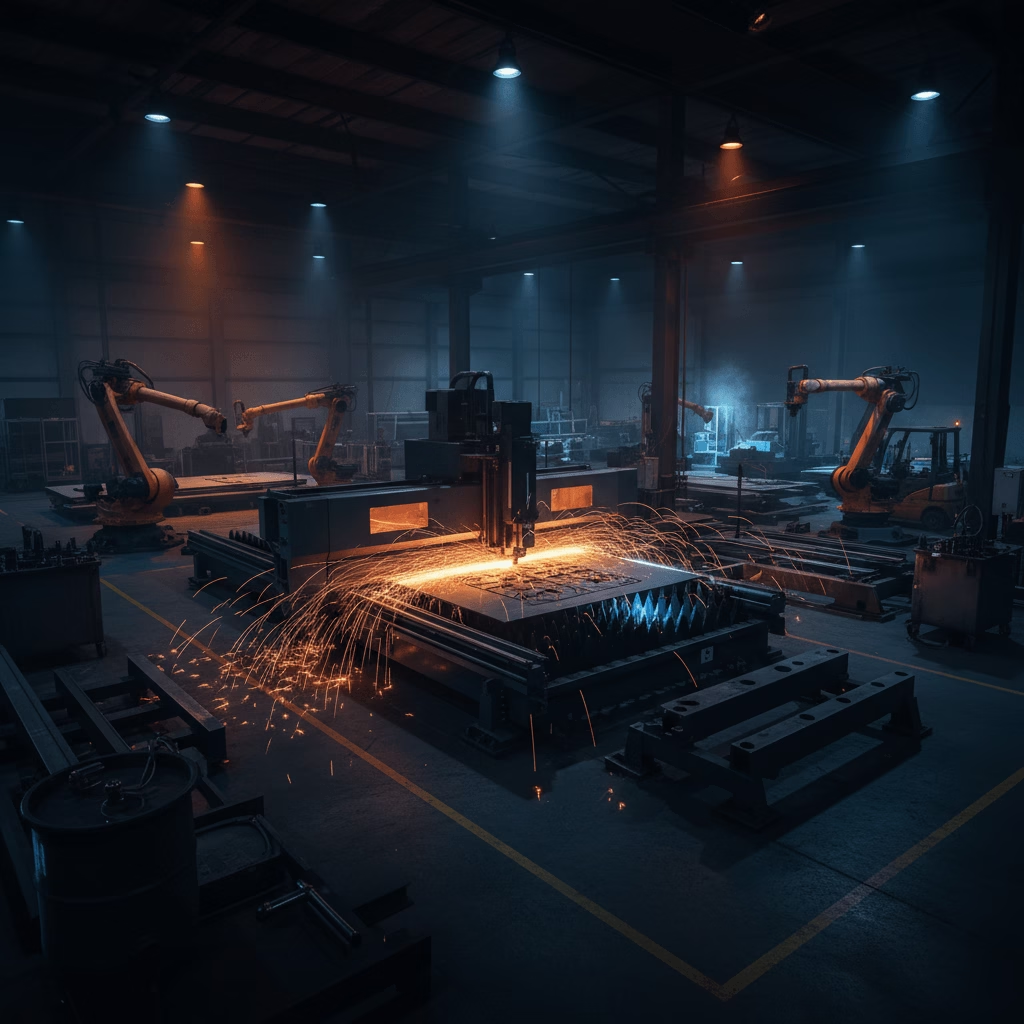
Placas de montaje, soportes internos, entradas de cable, holgura de puerta, agujeros y fixture repetible.
Acero al carbono, ubicación de cordón, distorsión, desbaste, protección anticorrosiva, pintura y base de costo.

Secuencia de hardware, prueba de ajuste, separadores, límites de caja, reglas de pallet y notas de destino.
Estas páginas conectan decisiones de soldadura con corte, doblado, material y fabricación completa.
Revisar radio, distancia agujero-doblez, dimensiones formadas, caras visibles y secuencia antes de soldar.
Revisar soldadura de acero, pintura en polvo, inspección y conjuntos fabricados sensibles al costo.
Revisar gabinetes, soportes, puertas, rieles y conjuntos soldados repetidos en contexto de producto.
Revisar corte, doblado, soldadura, hardware, acabado, montaje, inspección y embalaje de exportación.
Envíe planos de conjunto, planos de piezas, archivos 3D si existen, material, espesor, acabado, cantidad, ubicación de soldadura, caras visibles, referencias críticas, inspección, embalaje y país de destino.
Separe soldaduras funcionales ocultas de costuras exteriores visibles. Defina qué soldaduras se desbastan, qué superficies son visibles y qué recubrimiento o cepillado sigue.
Comparta contexto de montaje, dimensiones críticas después de soldar, planitud, holguras de puerta, piezas de acople, referencias de fixture, longitudes de soldadura y alternativas de diseño posibles.
Sí. Los conjuntos soldados se pueden desbastar, limpiar, pintar en polvo, montar, inspeccionar y embalar para exportación.
Envíe contexto de conjunto y requisitos de soldadura para revisar ajuste, acabado, inspección y embalaje dentro de la cotización.
Empiece con nombre, email de trabajo, país y tipo de proyecto. La cantidad y los planos se pueden añadir después.
Comparta plano de conjunto, material, ubicaciones de soldadura, zonas visibles, cantidad, acabado y destino. Responderemos con preguntas DFM prácticas para cotizar.
