Paneles cortados por láser, placas frontales, placas de montaje y paneles de equipo
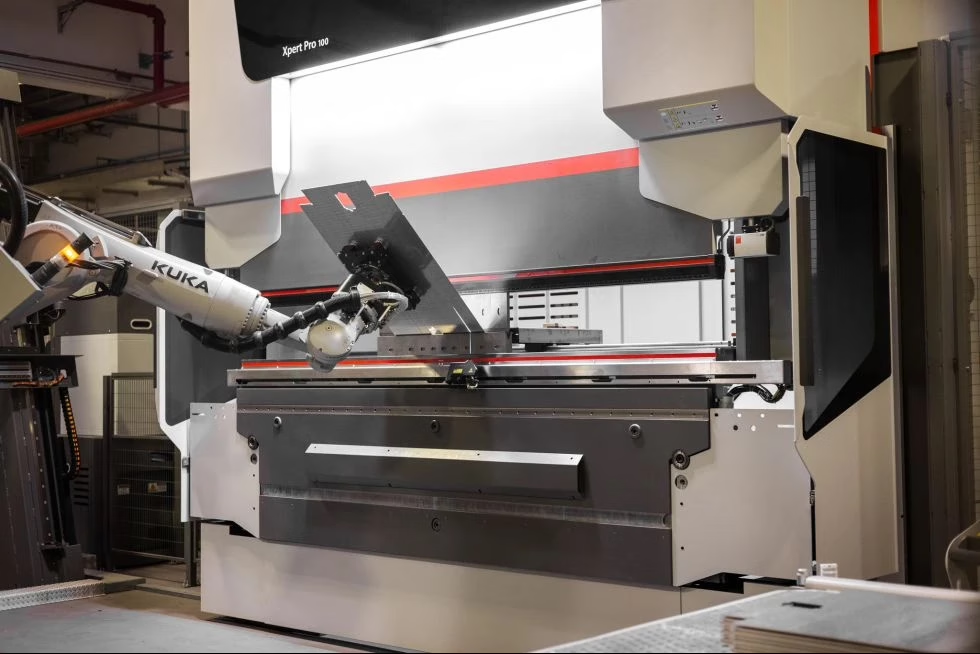
Piezas de chapa de aluminio
Piezas de chapa de aluminio para equipos OEM ligeros, carcasas y paneles.
Esta página ayuda a equipos de compra en Alemania, Países Bajos, Canadá, Australia y Estados Unidos a preparar RFQs de aluminio con datos claros de aleación, temple, radio de doblez, acabado, hardware y embalaje.
Las piezas ligeras necesitan datos claros
El aluminio reduce peso y permite superficies visibles limpias, pero requiere requisitos claros de aleación, temple, radio de doblez, dirección de grano, protección contra rayas, anodizado, pintura y montaje de hardware.
- Indicar aleación, temple, espesor, revisión de plano y alternativas de material aceptadas.
- Marcar dobleces críticos, radio interior, dirección de grano, distancia de agujero a doblez y caras visibles.
- Definir anodizado, pintura en polvo, cepillado, acabado natural, enmascarado, color y límite de rayas.
- Aclarar tuercas insertadas, roscas, pernos, remaches, torque, secuencia de montaje y protección de embalaje antes de muestras.
Decisiones RFQ para piezas de aluminio
Estos puntos ayudan a comparar cotizaciones para paneles, soportes, cubiertas, chasis y carcasas OEM ligeras de aluminio.
| Decisión | Riesgo | Detalle RFQ |
|---|---|---|
| Aleación y temple | Una selección incorrecta puede afectar doblez, resistencia, apariencia y costo. | Indicar aleación, temple, espesor, ambiente de uso y alternativas aceptadas. |
| Radio de doblez | Doblez demasiado cerrado puede causar grietas, marcas o recuperación excesiva. | Marcar dobleces críticos, radio interior, dirección de grano, caras visibles y distancia a agujeros. |
| Superficie y acabado | Anodizado, pintura o acabado natural pueden cambiar apariencia y ajuste. | Definir acabado, color, textura, caras visibles, enmascarado, película y límites de manipulación. |
| Roscas e inserts | Roscas directas o hardware insertado pueden fallar si la carga y el lado de instalación no están claros. | Enviar tipo de insert, lado de instalación, pieza de contacto, torque, protección de rosca y secuencia de montaje. |
| Protección de embalaje | Paneles ligeros y superficies acabadas pueden rayarse, rozarse o doblarse durante exportación. | Definir película, separadores, espuma, resistencia de caja, datos de etiqueta y reglas de pallet. |
| Producción repetida | Pequeñas variaciones en acabado, ángulo o hardware pueden afectar el conjunto. | Documentar fotos de muestra aprobada, puntos de medición, notas de acabado, BOM y método de embalaje. |
Proyectos típicos de aluminio
Use esta página cuando compre piezas ligeras de aluminio o conjuntos visibles fabricados por plano.
Soportes doblados, canales, cubiertas, protecciones y chasis pequeños
Carcasas metálicas OEM ligeras para electrónica, instrumentos y equipos técnicos
Piezas visibles anodizadas o pintadas con zonas de enmascarado definidas
Conjuntos con tuercas insertadas, pernos, remaches, puntos de tierra y etiquetas
Pilotos, transferencia de proveedor y programas repetidos con embalaje de exportación
Prioridades de inspección
En piezas de aluminio, la inspección debe cubrir función, superficie visible y resultado de embalaje.
Doblez y ajuste
Revisar pestañas, posiciones de agujeros, planitud, inserts, superficies de montaje y piezas de contacto después de doblado y acabado.
Superficie visible
Revisar superficies anodizadas o pintadas, rayas, enmascarado, color, textura, película protectora y marcas de manipulación.
Resultado de embalaje
Revisar separadores, película, ajuste de caja, etiqueta, dirección de apilado y pallet para evitar roce o deformación.
Qué incluir en una RFQ de aluminio
Un paquete RFQ completo acorta revisión DFM, muestras, precio y entrega repetida.
- Planos 2D, archivos STEP o STP, revisión activa y referencia de conjunto.
- Aleación, temple, espesor, acabado, caras visibles, radio de doblez y tolerancias esperadas.
- Hardware, roscas, inserts, tierra, etiquetas, enmascarado, protección superficial y montaje.
- Cantidad objetivo, demanda anual, necesidad de muestras, país destino, embalaje y plan de entrega deseado.
Iniciar RFQ con contexto de producto
Si el material y la aplicación ya están claros, elija una ruta de producto o inicie directamente el RFQ preseleccionado.
Carcasas metálicas OEM
Fabricación por producto con requisitos de material, acabado, hardware y montaje.
Carcasas para dispositivos médicos
Carcasas ligeras, chasis, cubiertas y soportes con superficie limpia e inspección.
Cajas eléctricas personalizadas
Cajas de control, placas de montaje, puertas, tierra, entradas de cable y carcasas pintadas o metálicas.
Ruta RFQ directa
Empezar con contexto de producto preseleccionado y añadir planos, material, acabado, cantidad y país destino.
Páginas relacionadas de compra
Estas páginas conectan las piezas de aluminio con familias de producto, aplicaciones y el proceso RFQ.
Carcasas metálicas OEM
Fabricación por producto con requisitos de material, acabado, hardware y montaje.
Carcasas para dispositivos médicos
Carcasas ligeras, chasis, cubiertas y soportes con superficie limpia e inspección.
Cajas eléctricas personalizadas
Cajas de control, placas de montaje, puertas, tierra, entradas de cable y carcasas pintadas o metálicas.
Corte láser
Cortes de aluminio, paneles, blanks y componentes listos para doblado por plano.
Fabricación de acero inoxidable
Material alternativo para conjuntos visibles o resistentes a corrosión.
Iniciar RFQ de aluminio
Ruta directa con contexto de carcasa OEM preseleccionado.
FAQ sobre piezas de chapa de aluminio
¿Qué datos de aluminio debe incluir una RFQ?
Envíe aleación, temple, espesor, radio de doblez, acabado, caras visibles, hardware, dimensiones críticas, cantidad, país destino y expectativa de embalaje.
¿Qué afecta la calidad de doblado del aluminio?
La calidad depende de aleación, temple, espesor, radio, dirección de grano, herramienta, protección superficial y cercanía a agujeros, ranuras o hardware.
¿Cómo describir superficies visibles de aluminio?
Defina anodizado, pintura en polvo, cepillado, enmascarado, color o textura, marcas aceptables, película protectora y protección de embalaje.
Enviar planos para piezas de aluminio
Comparta planos, aleación, acabado, dimensiones críticas, hardware, cantidad objetivo y país destino. Revisaremos la ruta de fabricación y los datos RFQ.
