Prototipo o diseño temprano
Marcar preguntas abiertas, cambios esperados, función objetivo, cantidad de muestra y feedback DFM requerido.
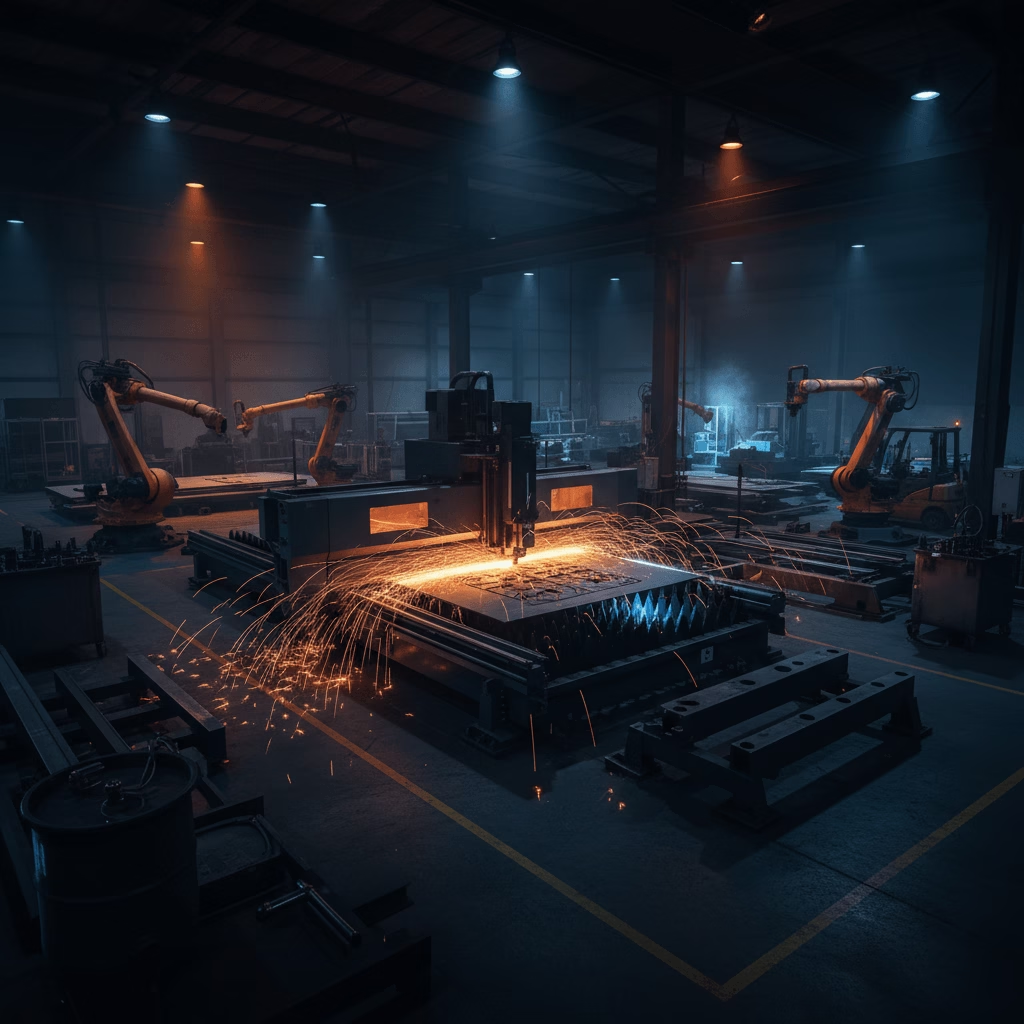
Guía RFQ para compradores
Use esta checklist para preparar planos, material, acabado, inspección, aplicación y embalaje que hacen una cotización de chapa más rápida y fiable.
La calidad de la cotización depende de que ingeniería, compras y proveedor revisen la misma revisión y las mismas suposiciones.
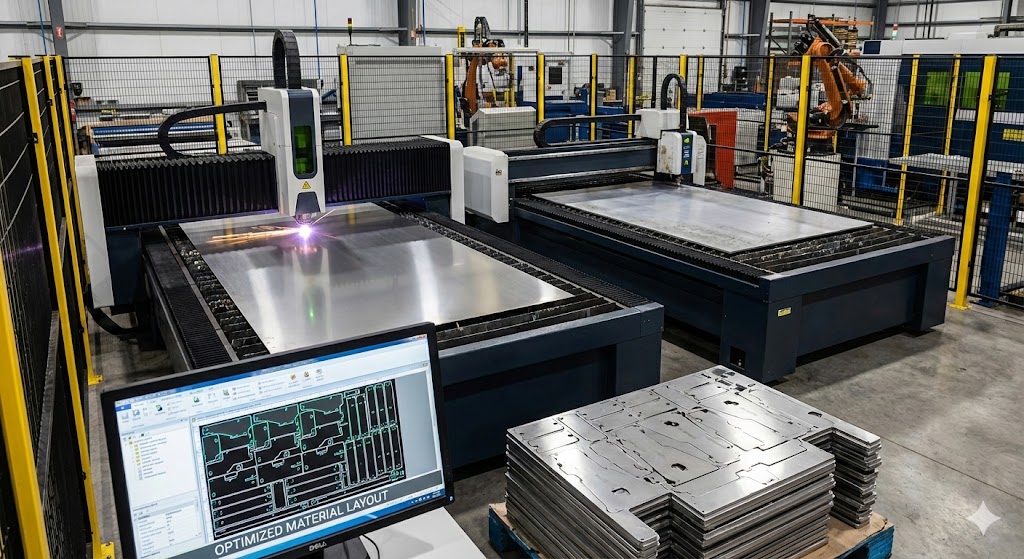
Estos datos separan detalles normales de fabricación de puntos que afectan riesgo, inspección o preparación de exportación.
| Área RFQ | Qué definir | Por qué afecta la cotización |
|---|---|---|
| Identidad de pieza | Número de pieza, revisión activa, fecha de plano, unidades y estado de muestra. | Evita planos obsoletos, versiones duplicadas y bases de aceptación poco claras. |
| Material | Grado, espesor, temple si aplica, reglas de sustitución y lado visible. | Cambia corte, doblado, soldadura, acabado, disponibilidad y costo. |
| Alcance de proceso | Corte láser, doblado CNC, soldadura, hardware, montaje, acabado y embalaje. | Aclara si se cotiza un blank, una pieza formada o un conjunto terminado. |
| Características críticas | Datums, agujeros, bordes de acople, planitud, ángulos de doblez y pruebas de ajuste. | Guía la inspección e identifica puntos que necesitan control de proceso. |
| Acabado | Código de color, brillo, textura, enmascarado, rebabas, limpieza de soldadura y caras protegidas. | El acabado afecta manejo, secuencia, inspección y embalaje. |
| Plan comercial | Cantidad prototipo, piloto, demanda anual, fecha objetivo y país de destino. | Separa supuestos de muestra de necesidades de producción repetida. |
| Embalaje | Límites de caja, reglas de pallet, etiquetas, separación, protección superficial y método de envío. | Protege piezas visibles y evita cambios de embalaje después de producir. |
Un prototipo, una transferencia de proveedor y un pedido repetido no deben cotizarse con las mismas suposiciones.
Marcar preguntas abiertas, cambios esperados, función objetivo, cantidad de muestra y feedback DFM requerido.
Definir inspección, caras visibles, ajuste de montaje, aceptación de acabado, prueba de embalaje y criterios de muestra.
Compartir muestras aprobadas, problemas del proveedor actual, historial de inspección, revisión, demanda anual y embalaje.
Estos datos faltantes suelen crear emails de seguimiento antes de que un proveedor pueda cotizar bien.
Términos como acero, inoxidable o aluminio son demasiado amplios. Añada grado, espesor y alternativas.
Para piezas visibles defina color, textura, brillo, rebaba, cara cosmética, enmascarado y manejo.
Marque dimensiones críticas, agujeros, bordes de acople, hardware, planitud y pruebas de montaje.
Explique dónde se instala la pieza y si hay visibilidad, clima, vibración, calor o ajuste crítico.
Separe cantidad de prototipo, piloto y demanda anual para aclarar supuestos de precio.
Paneles grandes, piezas pintadas y conjuntos de exportación necesitan separación, etiquetas, cajas y pallets.
Elija una página más específica cuando la cotización dependa de proceso, material o aplicación.
Corte, doblado, soldadura, hardware, acabado, inspección, montaje y embalaje de exportación.
Perfiles DXF o DWG, bordes, agujeros críticos, planitud, dirección de rebaba y procesos posteriores.
Radio, longitud de pestaña, distancia agujero-doblez, cara visible e inspección de formado.
Ubicación de soldadura, fixture, distorsión, apariencia visible, limpieza y embalaje.
Color, textura, brillo, enmascarado, zonas sin pintura, muestra y protección superficial.
Transferencia de proveedor, piezas repetidas, revisión de plano, NDA, muestra base y embalaje.
Envíe planos 2D, archivos STEP o STP si existen, DXF o DWG para perfiles planos, revisión activa, material, espesor, acabado, cantidad, prioridades de inspección, embalaje y país de destino.
Sí. Marque el diseño como preliminar, explique qué puede cambiar e identifique las decisiones que necesitan feedback de manufacturabilidad antes de la muestra.
El contexto ayuda a identificar caras visibles, características de acople, riesgos de carga o ajuste, secuencia de hardware, exposición exterior, etiquetas y embalaje antes de cotizar.
Mantiene juntos revisión, estado de muestra, inspección, acabado y embalaje para que la producción repetida no dependa de suposiciones antiguas.
Envíe primero un email de trabajo. Los planos, material, cantidad, acabado, puntos de inspección, notas de embalaje y país destino pueden seguir después de la respuesta de ventas.
