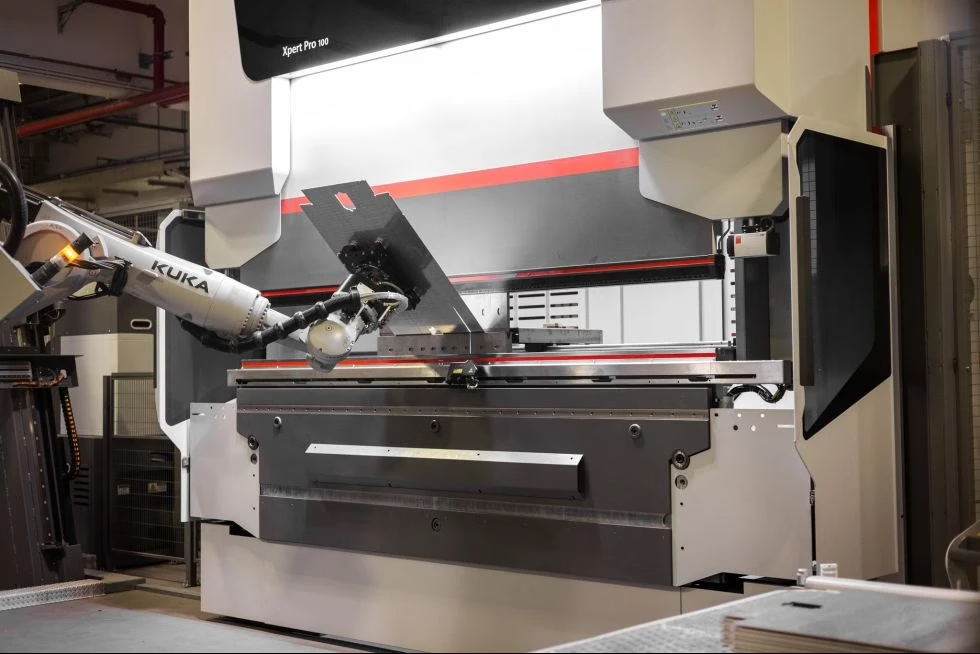
Bend geometry
Define inside bend radius, flange length, bend direction, hole-to-bend distance, and whether inside or outside dimensions control fit.
Custom sheet metal brackets
Black Iron Metal manufactures drawing-based mounting brackets, support channels, formed plates, welded brackets, and hardware-installed sheet metal parts for global OEM buyers.
Use this page when the RFQ is focused on mounted, formed, or welded sheet metal parts rather than a full enclosure. Clear drawings help connect bracket geometry to the right cutting, bending, welding, hardware, finishing, and inspection route.

Small bracket details can drive sampling changes. Mark the functional surfaces and assembly constraints early so the quote can separate standard production work from higher-risk features.
Define inside bend radius, flange length, bend direction, hole-to-bend distance, and whether inside or outside dimensions control fit.
Confirm weld size, fixture needs, distortion risk, cleanup level, cosmetic faces, and downstream coating before sampling.
Specify PEM nuts, studs, inserts, rivets, fasteners, thread direction, pull-out needs, and inspection points for mating parts.
The same bracket shape may need different process controls depending on strength, weight, corrosion exposure, visible finish, and packing protection.
| Requirement | Common RFQ notes | Related guide |
|---|---|---|
| Stainless brackets | Grade, grain direction, surface protection, weld cleanup, passivation if required, and visible-face handling. | Stainless steel fabrication |
| Aluminum brackets | Alloy, temper, bend radius, insert planning, surface protection, anodizing, or powder coating route. | Aluminum sheet metal parts |
| Carbon steel brackets | Strength target, weld notes, edge break, powder coating, masking, and packing protection after finishing. | Carbon steel fabrication |
| Galvanized brackets | Coating expectation, cut-edge exposure, weld plan, powder coating compatibility, and protected packing. | Galvanized sheet metal parts |
These inputs help sales and engineering ask the right review questions before price, sample, or repeat production planning.
2D drawing, STEP or formed 3D file if available, revision level, part number, bend notes, weld symbols, and marked critical dimensions.
Laser cutting, CNC bending, welding, hardware insertion, surface finishing, assembly, inspection, and export packing requirements.
Hole patterns, slots, mating datum edges, inside dimensions, flatness, clearance, load direction, and features close to bends.
Prototype quantity, pilot quantity, annual demand, target country, carton limits, label rules, and any supplier-transfer history.
Use these pages to connect a bracket RFQ with the process, material, or product program behind the drawing package.
Review bend radius, flange length, hole-to-bend risk, forming sequence, and inspection priorities for formed brackets.
Review bracket blanks, edge condition, slots, tabs, burr limits, and tolerance-critical cut features before bending.
Plan welded support brackets, frames, cleanup, distortion control, visible faces, and post-weld inspection.
Use for mixed drawing packages, repeat OEM components, supplier-transfer parts, and cost-down sourcing programs.
Connect DIN rail brackets, mounting plates, gland plates, cable supports, and hardware zones with enclosure requirements.
Prepare drawings, material, finish, revision, quantity, destination country, and packing details before submitting.
Send 2D drawings with revision, material, thickness, bend radius, critical dimensions, hole tolerances, finish, quantity, and packing requirements. STEP or formed 3D files help review bend sequence and fit.
Yes. Bracket RFQs can combine laser cut blanks, CNC bending, welding, PEM hardware, inserts, powder coating, assembly checks, inspection, and export packing when the drawing package defines those requirements.
Features near bend lines, tight hole-to-bend distances, narrow flanges, slot distortion, weld heat, visible surfaces, coating thickness, and hardware pull-out requirements should be marked before sampling.
Share 2D drawings, STEP files if available, material, finish, quantity, annual demand, destination country, and any known bend, weld, hardware, or packing risks.
